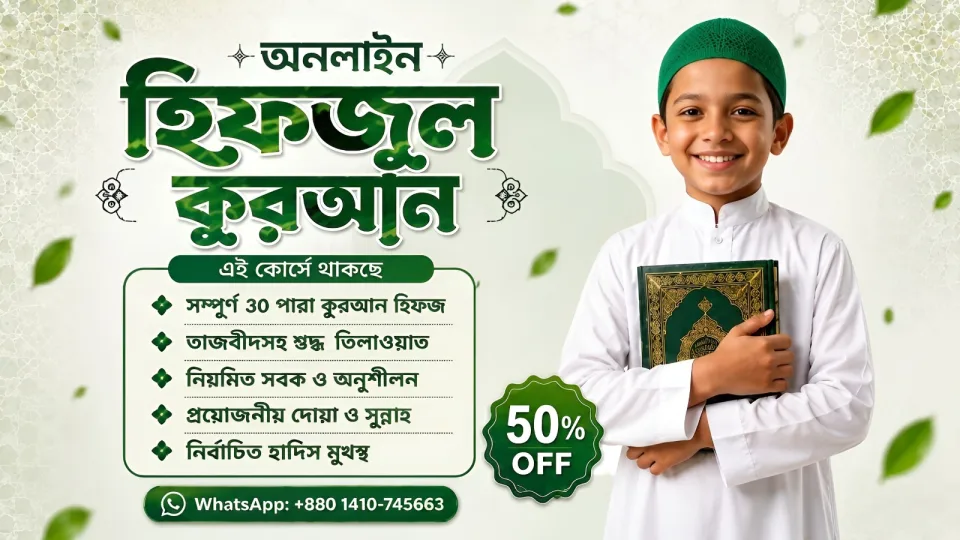

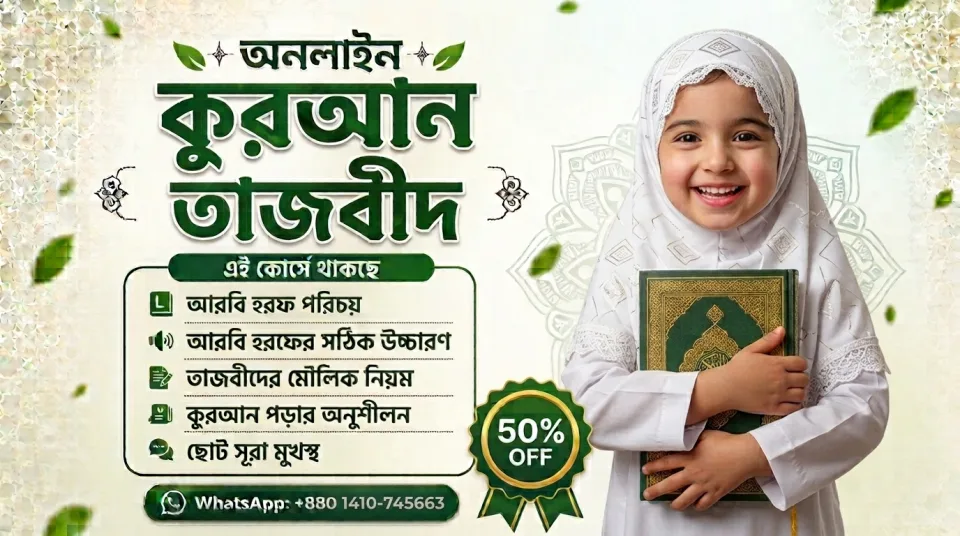
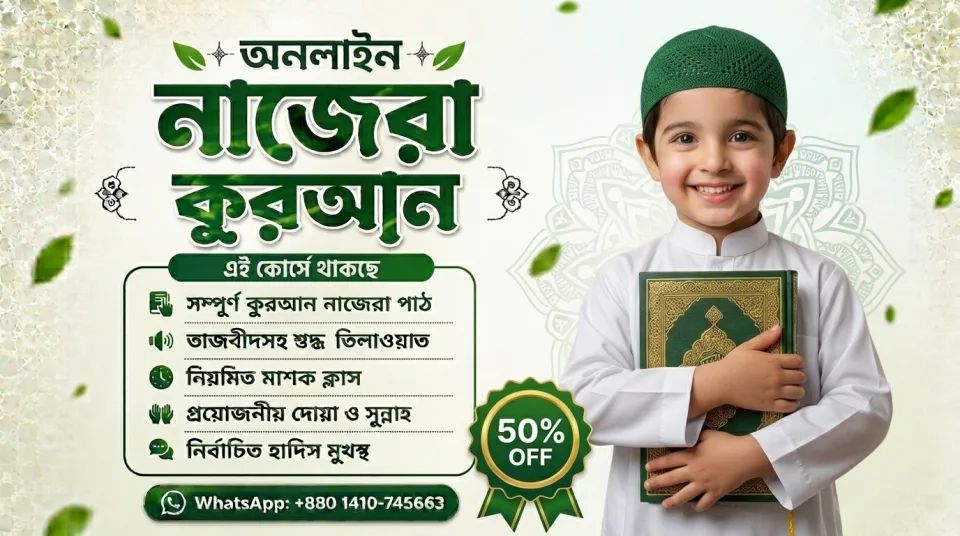
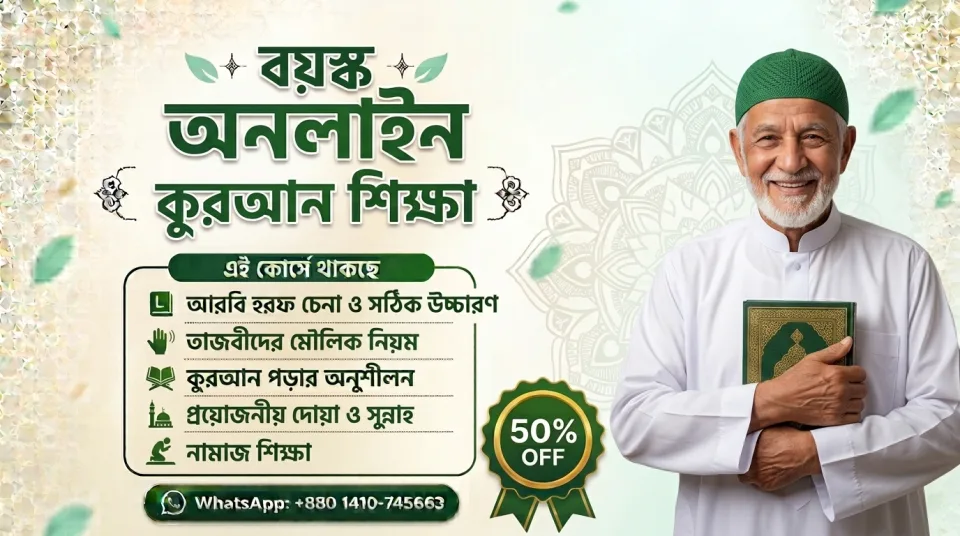
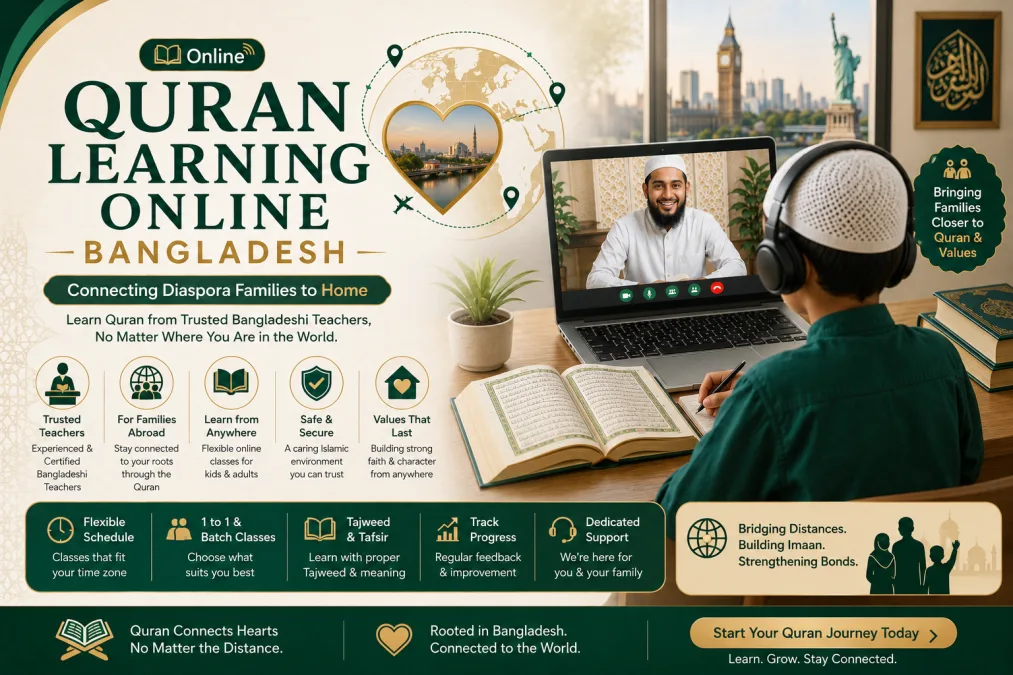
Quran Learning Online Bangladesh: Connecting Diaspora Families to Home
প্রবন্ধের সারসংক্ষেপ
~ 5 মিনিট পড়ার সময়Especially for children growing up far from the culture their parents knew. This post explores that connection and what it means practically for your family.
Quran Learning Online Bangladesh: Connecting Diaspora Families to Home
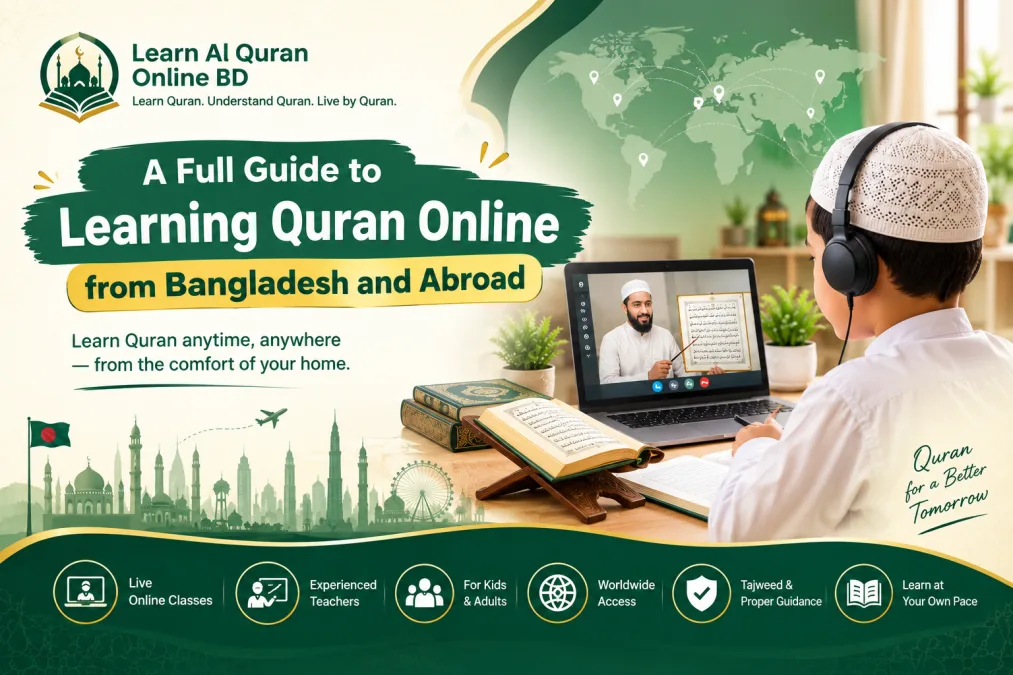
For many Bangladeshi families living abroad, staying connected to home isn't just about visiting relatives or eating familiar food — it's also about preserving religious and cultural identity across generations. Online Quran learning from Bangladesh has quietly become one of the strongest threads keeping diaspora families connected to that identity, especially for children growing up far from the culture their parents knew. This post explores that connection and what it means practically for your family.
Why This Connection Matters Across Generations
First-generation immigrant parents often carry vivid memories of their own Quran education back home — a local Hafez, a neighborhood madrasa, a particular teaching style. Their children, raised abroad, don't have those same memories to draw on. Without a deliberate effort to bridge that gap, an important piece of cultural and religious continuity can quietly fade between generations.
Online Quran learning directly from Bangladesh offers a practical way to rebuild that bridge — not as a replacement for the original experience, but as a genuine, live connection to the same teaching tradition, delivered to wherever the family now lives.
What Gets Preserved Through This Connection
Language Learning Quran in Bangla-medium instruction keeps children connected to the language, even if their day-to-day life abroad happens mostly in English or another language.
Teaching tradition The specific methodology, tone, and approach used by Bangladeshi-trained teachers — often passed down through generations of madrasa education — continues rather than being replaced by a generic, standardized approach.
Religious identity rooted in home culture For many families, Islamic practice is deeply intertwined with Bangladeshi cultural identity. Learning from a Bangladeshi teacher, in Bangla, reinforces that connection rather than separating the two.
A sense of belonging Children who regularly interact with a teacher based in Bangladesh often develop a stronger sense of connection to their heritage than they might through occasional visits alone.
How This Works in Practice for Diaspora Families
A typical diaspora family's experience looks like this:
- Parents search for teaching that feels authentically Bangladeshi, not just any Quran class
- They connect with an institute based in Bangladesh, offering live online classes
- Children (or adults) are matched with a certified Hafez or Qari teacher
- Classes happen weekly via Zoom or Google Meet, scheduled around the family's time zone
- Over months and years, a genuine teacher-student relationship builds, despite the physical distance
Beyond Quran Reading: Broader Cultural Reinforcement
Many families find that this connection extends beyond just learning to read the Quran. Conversations with teachers, exposure to Bangladeshi Islamic teaching style, and consistent Bangla-medium interaction all contribute to children feeling more rooted in their heritage — something that's difficult to achieve through occasional trips home or weekend community events alone.
Addressing Common Diaspora Parent Concerns
"My child barely speaks Bangla — will this even work?" Experienced teachers working with diaspora families are used to this and adjust naturally, mixing Bangla and English as needed while still reinforcing Bangla exposure over time.
"Will my child actually feel connected to a teacher they've never met in person?" Consistent weekly interaction over months tends to build a genuine relationship — many children come to see their online teacher as a real, trusted figure in their life, not just a video call.
"Is this really comparable to how I learned back home?" The core teaching — live correction, Tajweed instruction, structured progression — remains fundamentally the same; the only difference is the medium through which it's delivered.
"How do I know the teacher truly represents authentic Bangladeshi teaching methodology?" Look for teachers trained within recognized Bangladeshi madrasa systems, ideally with additional certification from institutions like Al-Azhar University, and ask directly about their background.
Frequently Asked Questions
Does online learning really preserve the same cultural connection as learning in person? While it's not identical to in-person learning in Bangladesh, live Bangla-medium classes with Bangladeshi-trained teachers preserve the core language, teaching style, and religious tradition in a meaningful way.
What if my children were born abroad and have never been to Bangladesh? This makes the connection even more valuable — for many such children, their online Quran teacher becomes one of their most consistent direct links to Bangladeshi culture and religious tradition.
Can grandparents or extended family be involved in this process? While classes are typically between teacher and student, many families find that discussing lessons and progress with grandparents back home adds another layer of connection and encouragement.
How young can children start building this connection? Children as young as 5 can begin with foundational courses, starting a relationship with their teacher and heritage from an early age.
Does this replace visiting Bangladesh, or complement it? It's best understood as a complement — regular online learning maintains ongoing connection between visits, while trips home add deeper immersive experiences.
Build That Connection — Book a Free Trial Class
Give your family a genuine, ongoing connection to Bangladeshi Quran teaching tradition, no matter where in the world you live. Learn Al Quran Online BD offers certified Hafez and Qari teachers, live Bangla-medium classes, and a free trial class to begin this journey.
📞 Book a free trial class: learnalquranonlinebd.com/free-trial-class 💬 WhatsApp: +880 1410-745663